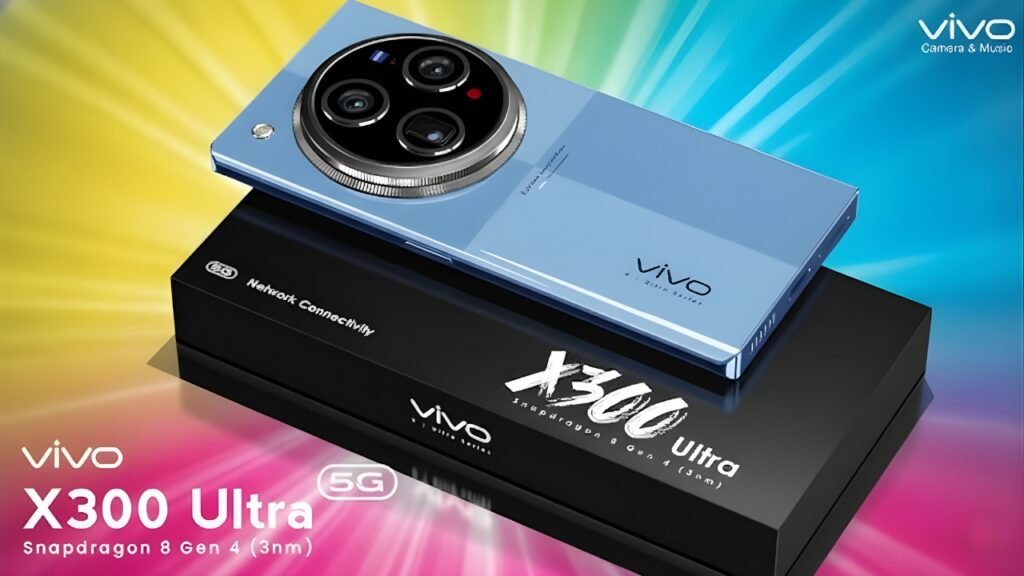
Vivo X300 X-series has quietly become one of the most exciting camera-focused flagship lines, and the Vivo X300 continues that story in 2025. It brings a compact 6.31-inch LTPO OLED display, MediaTek Dimensity 9500 (3nm), a 200MP ZEISS main camera, and a 6,040mAh battery with 90W wired + 40W wireless charging, wrapped in a premium unibody 3D glass and metal frame design.
Globally, the X300 is already official, and the series (X300 and X300 Pro) is confirmed to launch in India, with the Indian debut scheduled for December 2, 2025. This review pulls together official information and credible spec sheets to give you a clear picture of what to expect from the standard Vivo X300.
Key Specs at a Glance
Display: Vivo X300 6.31-inch LTPO AMOLED, 1216 × 2640, 120Hz, up to ~4500 nits peak brightness
Processor: Vivo X300 MediaTek Dimensity 9500 (3nm, all big-core CPU) with vivo’s V3+ imaging chip
RAM & Storage: Vivo X300 12GB LPDDR5X, 256GB UFS 4.1 (no microSD)
Rear Cameras: 200MP ZEISS main + 50MP ultra-wide + 50MP telephoto, all with autofocus and OIS
Front Camera: 50MP ZEISS wide-angle with autofocus, up to 4K video
Battery: 6,040mAh, 90W wired fast charging, 40W wireless charging
Software: Android 16 with OriginOS 6, 4 years OS updates + 5 years security (expected)
Durability: IP68 / IP69 rating, dust-proof, water-resistant; unibody 3D glass and metal frame
Price (China): Starts at CNY 4,399 (≈ ₹55,000); Indian pricing will likely be higher
Design & Build: Compact, Premium and Photo-Centric
The Vivo X300 is positioned as the compact flagship in the series. While most premium phones are creeping closer to 6.7–6.8 inches, the X300 sticks to a 6.31-inch display, which makes it noticeably easier to handle one-handed.
Key design highlights:
Unibody 3D glass design: The rear panel curves gently into the metal frame, giving a smooth, continuous feel in hand and improving dust sealing.
Metal frame with defined edges: Adds rigidity and a premium “cool to the touch” feel.
Ultra-slim 1.05 mm symmetric bezel: Makes the front look almost all screen, with sharp, modern edges.
ZEISS camera ring: The rear camera layout uses a minimal circular design that blends into the back, signalling that this is a serious camera phone without looking gaudy.
Globally, Vivo showcases colours like Halo Pink, Mist Blue, Iris Purple and Phantom Black, while India also gets an exclusive dark red-like shade teased by Vivo India.
On top of that, 91mobiles lists IP68 and IP69 ratings, meaning the X300 is not only protected against dust and 1.5 m water immersion but also certified to withstand high-pressure water jets—unusual even among flagships.
Display: 6.31-inch LTPO OLED With 4500-nit Peak
The Vivo X300 display ticks almost every flagship box:
Type: LTPO AMOLED, 1–120Hz adaptive refresh rate

Size & Resolution: 6.31 inches, 1216 × 2640 (“1.5K”), ~461 ppi – sharper than regular Full HD+
Brightness: Peak around 4500 nits, which is extremely bright for outdoor use and HDR.
HDR: HDR10+ support, punch-hole design, >90% screen-to-body ratio.
In practice, you can expect:
Deep blacks and high contrast thanks to OLED
Very smooth scrolling and animations due to LTPO 120Hz
Excellent sunlight visibility, even in harsh Indian noon light
For people who find 6.7-inch phones too big, the X300 hits a sweet spot: compact, but still premium and immersive.
Performance: Dimensity 9500 + V3+ Imaging Chip
At the core of Vivo X300 is MediaTek Dimensity 9500, a 3nm flagship SoC jointly tuned by Vivo and MediaTek. It uses an all big-core CPU (1+3+4) design and a powerful Mali-G1 Ultra MC12 GPU, paired with 12GB LPDDR5X Ultra RAM and UFS 4.1 storage.
Vivo X300 also integrates its V3+ imaging chip into the platform (VS1 is exclusive to the Pro, but the X300 still benefits from V3+ and a dedicated NPU).
What this should mean in real use:
Flagship-grade gaming performance with high frame rates in popular titles
Fast app launches and smooth multitasking
Efficient power usage, thanks to 3nm fabrication and OriginOS optimisations
This is not a “Lite” or toned-down flagship – it’s designed to trade punches with devices running Qualcomm’s latest 8-series chips.
Software: OriginOS 6 on Android 16
The Vivo X300 series is the first time Vivo’s OriginOS (previously China-only) is rolling out globally, replacing Funtouch OS on international variants.
Key software points:
Base OS: Android 16
Skin: OriginOS 6 with colourful, widget-heavy UI and dynamic lockscreen elements like Flip Cards and “Dynamic Glow” design.
Update promise: 4 years of major Android updates and 5 years of security patches (as per spec listings).
Productivity tools:

Task Handoff between phone and PC
Screen mirroring to Windows/macOS
Notes sync and “Free Transfer” file-sharing across devices
If you like heavily customisable Android with lots of visual flair, OriginOS 6 will feel rich and modern. If you prefer very “plain” Android, you might need to spend some time turning off extra animations and widgets—but the raw performance and features are definitely there.
Cameras: 200MP ZEISS Main, Triple-Lens Versatility
Photography Vivo X300 is the headline feature of the Vivo X300. Vivo and ZEISS have been collaborating for several generations now, and the X300 continues that partnership.
Rear camera setup (Vivo X300):
200MP ZEISS main camera
HPB sensor, 1/1.4″, f/1.68, OIS (CIPA 4.5)
50MP ZEISS ultra-wide camera
JN1 sensor, f/2.0, autofocus
50MP ZEISS telephoto camera
LYT-602 sensor, 1/1.95″, f/2.57, OIS
Front camera:
50MP ZEISS wide-angle front camera, 20mm equivalent, AF, FOV 92°, up to 4K video recording.
Imaging features highlighted by Vivo:
ZEISS T* optical coating and high-end stabilization for cleaner images and reduced reflections (series feature, especially emphasised on X300 Pro).
AI One-Shot Multi-Crop – shoot once at 200MP, then crop multiple compositions while keeping high detail.
Multi-style editing – automated crops and layout presets for different aspect ratios (16:9, 1:1, 3:4), good for social media.
From spec sheets, the X300 supports up to 4K 60fps video recording on both rear and front cameras, with 1080p slow-motion up to 240fps, plus HDR and portrait video modes.
In short: you’re getting a true flagship camera system, not just a high-megapixel spec. The main camera handles detail and low light, the ultra-wide covers landscapes and group shots, and the telephoto gives more natural portraits and zoom flexibility.
Battery & Charging: 6040mAh + 90W Wired, 40W Wireless
Battery life is another area where the X300 looks strong:

Capacity: 6,040mAh silicon-carbon battery
Wired charging: 90W Flash Charging via USB-C
Wireless charging: 40W fast wireless support
Vivo doesn’t quote precise 0–100% times for every region, but with 90W wired, you can reasonably expect a near-full charge in around half an hour under ideal conditions, and very quick top-ups during the day.
Combined with the efficient 3nm Dimensity 9500 and LTPO display (dropping as low as 1Hz on static content), the X300 should comfortably last a full heavy day for most users, with some battery left at night.
Connectivity, Audio & Extras
According to detailed spec listings and early reviews, the Vivo X300 includes:
Dual SIM 5G with a wide range of SA/NSA bands
Wi-Fi 7 (expected), Bluetooth 5.x, NFC, GPS with multi-band support
Stereo speakers with flagship-grade output (series feature)
In-display fingerprint sensor, likely ultrasonic on select variants
Full suite of sensors: accelerometer, gyroscope, proximity, ambient light, compass
There’s no microSD card slot and, like most flagships today, no 3.5mm headphone jack, so you’ll be using USB-C or wireless audio.
Price & Availability: Global vs India
In China, the Vivo X300 starts at CNY 4,399, which converts to roughly ₹55,000.
Indian pricing is not yet official at the time of writing, but multiple reports suggest it will land higher due to taxes and positioning—expect something in the ₹60,000–₹70,000 bracket for the base 12GB + 256GB variant, placing it against devices like Oppo Find X9, OnePlus 15, and Samsung’s S-series flagships.
The India launch for the X300 series is set for December 2, 2025 at 12 pm IST, with availability via major online retailers and offline partners to follow.
Who Is the Vivo X300 For?
You should seriously look at the Vivo X300 if you:
Want a compact flagship instead of a huge 6.7-inch slab
Care a lot about camera quality, especially detail-rich 200MP photos and ZEISS-tuned optics
Need strong battery life with both fast wired and wireless charging
Like modern, colourful Android skins and are curious about OriginOS 6
Appreciate premium build quality with proper IP68/IP69 durability

It may not be the best fit if you:
Prefer a very lightweight phone – the X300 is compact but still feels solid
Want expandable storage or a headphone jack
Strongly prefer a more “stock” Android look and feel
Verdict: A Compact, Camera-First Flagship With Few Compromises
From everything we know so far, the Vivo X300 is shaping up as one of the most balanced camera-centric flagships of late 2025. You get:
A manageable 6.31-inch LTPO OLED with extreme brightness
Dimensity 9500 and V3+ imaging hardware for high performance and efficient AI photography
A serious triple ZEISS camera system with a 200MP main sensor and 50MP ultra-wide + telephoto
6,040mAh battery with 90W wired + 40W wireless charging
IP68/IP69 unibody 3D glass design that looks premium and feels robust
Assuming Vivo prices it sensibly in India, the X300 could be the go-to choice for users who want a compact Android flagship that doesn’t compromise on cameras, battery or design. If you don’t need the extra telephoto muscle and accessories of the Pro model, the standard X300 already looks like a very complete package.
Disclaimer
All specifications, features, colours, prices and launch details in this article are based on official Vivo information, as well as reliable third-party spec sheets and news reports available at the time of writing.
Some details, especially India-specific pricing, configurations and colour options, are still expected/rumoured and may change when Vivo announces final Indian variants.
Performance impressions and battery life expectations are based on the listed hardware and typical behaviour of similar devices, not on long-term personal testing.
Before purchasing, always check the latest official spec sheet and price from Vivo or your retailer, and keep your invoice/warranty documents safe for future support.